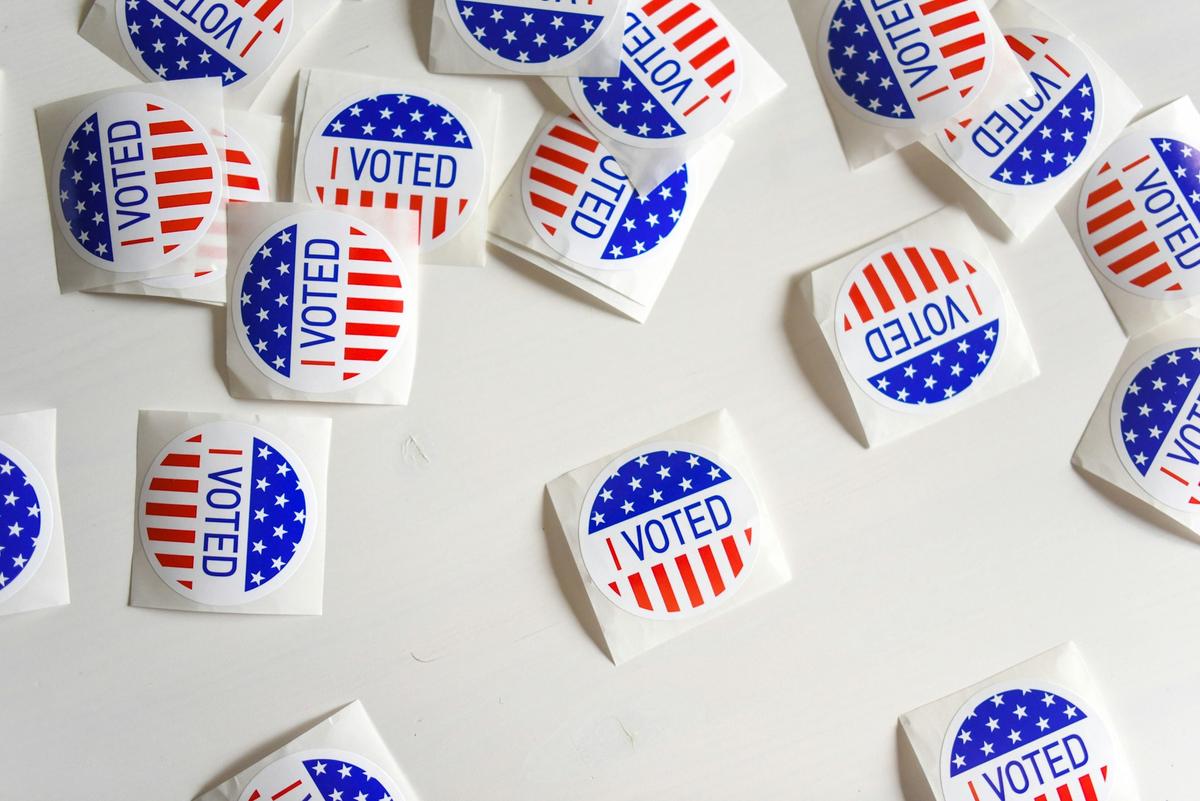
The crypto industry recorded a series of decisive victories in the June primaries, with sector-backed super PACs (political action committees with unlimited funding) achieving a 100% success rate. All 11 candidates supported by Fairshake affiliates either won or advanced in their races, thereby consolidating the sector's influence over the United States' legislative process.
A Bipartisan Influence Strategy
Recent results reveal a major tactical shift: rather than relying solely on established "crypto champions," lobby groups have focused on cultivating allies from both political camps. This bipartisan approach is designed to ensure the industry maintains its influence in the US Congress, regardless of whether Democrats, Republicans, or a divided government take control following the November elections.
The victory spanned several key states, covering nine races for the US House of Representatives in California, New Jersey's 8th district, and the US Senate primaries in South Dakota.
Candidates and Targeted Legislation
The list of winners includes prominent names who have signed pro-crypto pledges through the Stand With Crypto initiative or who support specific legislative projects. These include:
- Zoe Lofgren, Ted Lieu, Dave Min, Lou Correa, and George Whitesides (Democrats from California);
- Rob Menendez (Democrat from New Jersey);
- Mike Rounds (Republican from South Dakota).
These lawmakers are considered strategic allies for the implementation of bills such as the Clarity Act, the GENIUS Act, and various measures for the protection of blockchain developers, aimed at eliminating legal ambiguities within the sector.
Impact in Texas and the Removal of Critics
The June success comes just one week after another series of victories in Texas. There, Fairshake affiliates and other pro-crypto PACs invested over $9 million to support candidates from both parties.
The most notable result in Texas was the defeat of Al Green, an influential critic of the crypto industry and a member of the US House Financial Services Committee. Green had been given an "F" grade (the lowest possible) by Stand With Crypto, underscoring the lobby groups' determination to remove lawmakers hostile to digital assets from the system.
Developer Protection and Future Outlook
In addition to general influence, the Defend Developers PAC has emerged, a group specializing in supporting legislators who wish to protect crypto software developers from legal vulnerabilities. This is currently a critical issue, as the SEC (US Securities and Exchange Commission) has repeatedly attempted to hold DeFi protocol developers personally liable for the actions of users.